A new MacBook user, from a Windows & Linux perspective

To preface, I've grown up always using Windows machines, my first computer, school computers, and my computer now have all been Windows OS. As my career has delved more into software development, I've also become exposed to Linux. I like Linux, but it always has the same 2 annoying problems, adobe ain't great and some games don't run on it.
Windows isn't all that great for development either, and its terminal features are plain bad. Linux shines here. But, Linux also has problems that I won't get into. Hence, when I heard about how macOS is a great middle ground, my desire to purchase a MacBook came about during 2024.
I didn't want to invest too heavily into the ecosystem, as I was sceptical. So I decided I would just buy an old MacBook. A 2019 16" MacBook Pro from Ebay. It was reasonably specced out, containing an i9 8-core CPU, 16gb of ram and 512gb of storage.
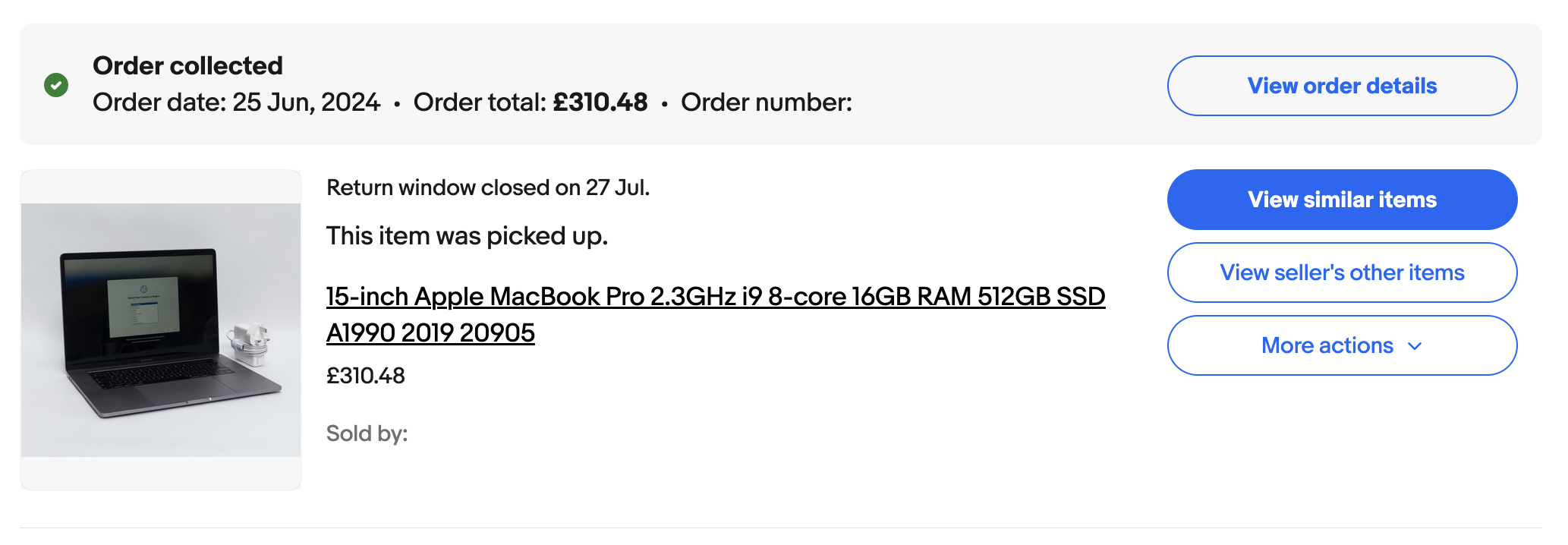
I got this for around £300. Originally intending to try and repair the thing, flip it for some profit. But looking back I absolutely overpaid for it, just to repair the issues it had (partially cracked screen, non-working fingerprint sensor, annoying and deteriorating butterfly keyboard) would put me out of profit. As well as, because it was pre Apple Silicon in 2024, the resale value had gone down the toilet. So it was never really going to be something to profit off. However, that £300 was absolutely worth it and I'll tell you why.
When it first arrived I gave it a test and diagnosis, wiped it, set up an account and tried it out. I instantly fell in love with the screen and trackpad. It was a very premium experience that I wasn't used to, especially with windows based laptops. I had a 2015 HP Omen before, so it was a nice surprise to feel such a lightweight laptop. To top it off, the charger was a 90w USB-C charger too. So I didn't have to lug around a massive multipart 150w charging BEAST.
I messed around with the laptop, stress testing the performance, installing some apps, and I had this lingering feeling that I wanted to keep it. I kept telling myself, once I fix it, I'll sell it, but until then I'll use it as my primary laptop. So I installed some development apps onto it, spruced up the terminal and more. And my god, was it so nice for development.
After some time, I researched how I could fix the issues it had. But realised, soon after, that it would cost more to fix it than I would to make profit. So I just kept it and kept using it. Something I could watch a series at lunchtime with, or have on the sofa.
Eventually, the underlying issues of the screen being cracked and mainly the butterfly keyboard being unbearable started to get to me, as well as the battery. The laptop would die very quickly, unplugged. It would also severely overheat and thermal throttle. But, despite all these flaws, I was still having a semi-enjoyable experience and I enjoyed the workflow. Fast-forward 6 months and I began researching Apple Silicon MacBooks.
Initially, I looked into purchasing a brand-new MacBook M4. It was quite difficult to decide the features and performance I wanted vs the price. Getting 16gb, 1tb of storage or even going for a 16" model. But, this would've ended up being nearly £2000, which was out of my budget and a hard justification.
I looked into used models instead, and although I thought I wanted a 16" MacBook, I ended up going with a used 14" M1 Pro MacBook with 16gb of ram and 512gb of storage for only £800. A lot cheaper but had all the performance I would ever need. I made sure to look for a laptop with the minimal battery cycles.
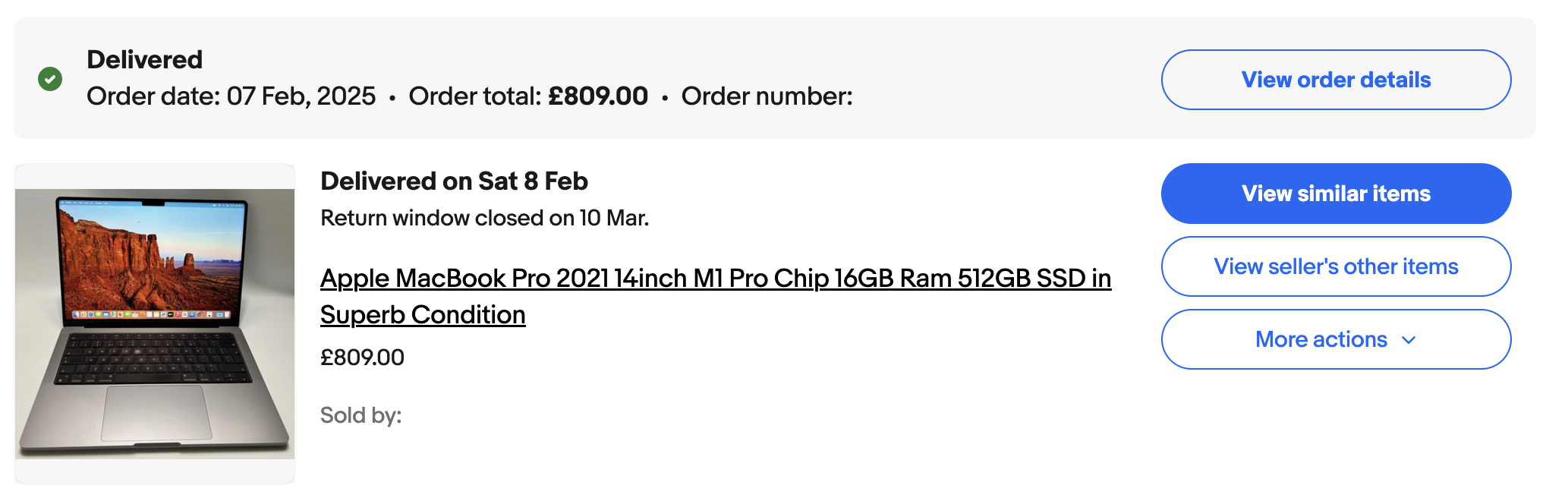
After purchasing it, it only took until the very next morning for it to arrive, I excitedly woke up, rushed to the door and clawed it straight out of the postman's hands, shredding it open like an excited child at Christmas.
My goodness, was this such a game changer for me, I spent the whole day setting this thing up and playing around with it. It was a ginormous upgrade in all aspects. It's by far the best screen I've ever seen, and it makes everything look crystal clear. The performance on this thing is way better than I could've imagined, there is absolutely 0 slow down on anything I use, the 16gb of ram is more than enough for development, running docker containers, multitasking, all without any delay.
It can run modern AAA games (the few that are supported for macOS, that is). However, the best feature is that no matter how much I have opened and the tasks that I'm doing, the battery does not drain in 5 seconds. It's amazing, I can run things all day and only drain it by 30-40%. The performance doesn't choke either if I'm not running off a charger. Unlike windows laptops, the performance stays the exact same and it doesn't throttle itself. Which, to me, is black magic. The keyboard is also amazing, such a big upgrade over the butterfly era.
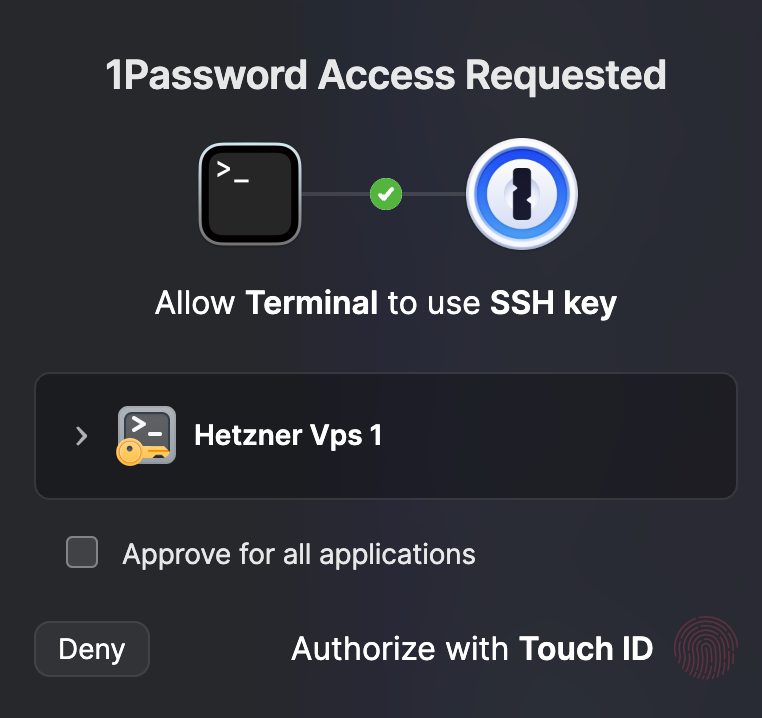
Something that I didn't realise would be quite a big deal for me was the fingerprint sensor, not only is it quite convenient to be able to log in to the laptop with it, but I also set it up to work with my password manager. Being able to unlock the password manager without having to type my gigantic 100+ word long password every time. But, it gets better, in my password manager I set up some ssh keys in there for one of my servers. So, I can open a terminal on the mac, ssh to the VPS as my user and then press my fingerprint sensor. Why would I do that when I can just have the ssh key in my key manager on the device? Well, it lets me access it from other machines too, no need to have separate keys for every single device I want to connect from. Granted, I'd have to log in to the password manager without a fingerprint sensor on a Windows machine. Although I am highly considering getting a dedicated fingerprint sensor for it, as it's very handy.
Another thing about this laptop is the trackpad. It's the best, hands down. It's so good in fact that I prefer not to even use a mouse with the MacBook, the trackpad is just better in every way. The gestures are great, it's accurate, and feels smooth.
This MacBook came without the touch bar (which I had on the 2019 MacBook) and I'm very thankful that I didn't get it, because not having a physical ESC button is actually awful. It's very important to me as a touch typer that the buttons are physical, as it's hard to tell where the fingers are on the touch bar.
So, enough about the specifications and how good the hardware is. What about the software? Well, I'm running mac sequoia. Honestly, even the OS feels premium. Everything just works.
I did give the OS a few upgrades in terms of additional software, the most important one is homebrew. I wasn't really a fan of having to go into the app store or make an account for it. So I entirely opted out, using homebrew as a package manager. Allowing me to install literally anything I want with a few keystrokes. Just letting me type the software I want and install it, update it, and uninstall it easily.
Before I get to the next software upgrade, let me just say that apple's spotlight search feature is amazing. I love it, it's fast, easy to find exactly what I want, and I don't have to leave the keyboard (I'm a Certified VIM enjoying chad). But, some amazing developers have made it even better and integrate with programs via plugins under the software called Raycast.
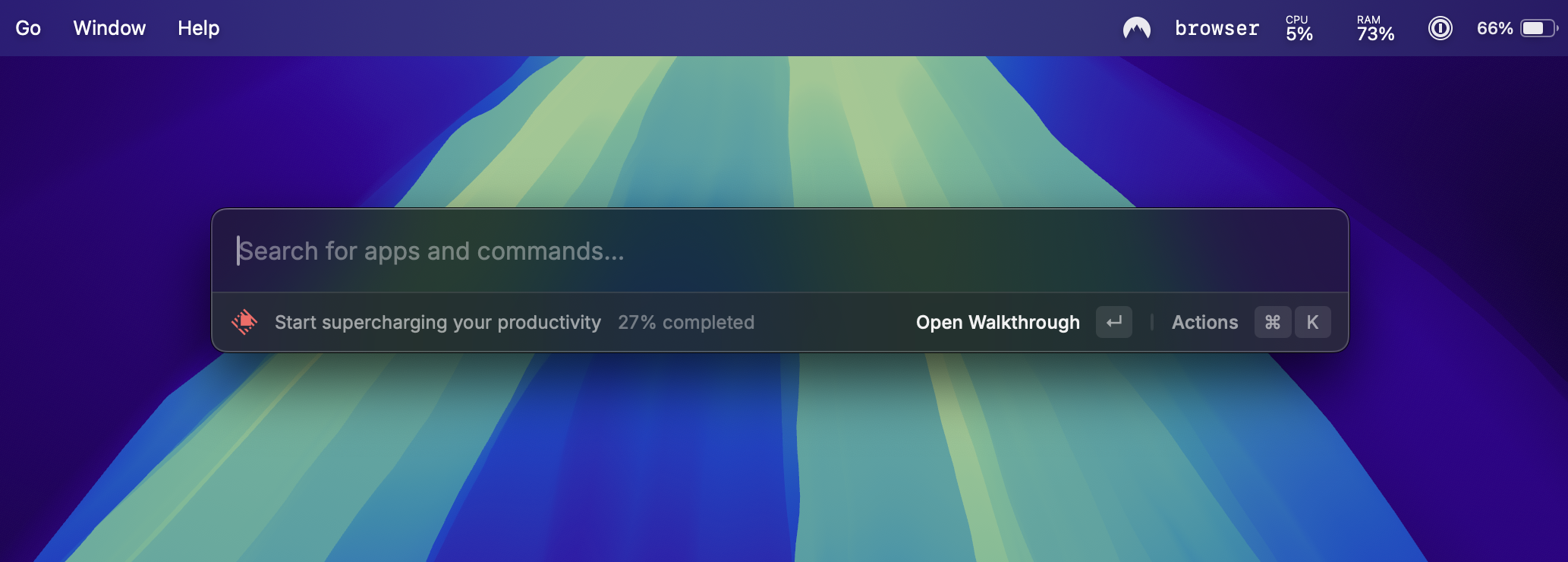
Raycast already makes a great system, god-tier. It integrates well with homebrew too, so I don't have to go to the terminal any more for it. It also integrates with other software like built in LLM models like ChatGPT. There are other plugins for it, but I haven't used much else yet.
The next upgrade was Iterm for the terminal, as well as installing ZSH for a very fast, nice looking terminal. It includes remembering commands and auto-completion. It's great, and I highly recommend it for any avid terminal users.
The only annoying downside with macOS is the window management. So I installed Rectangle for a more windows like window management system. But, to make it even better and help take advantage of my small screen real-estate, I installed aerospace, an i3 like tiling window manager. It really shines on smaller screens like the 14", it does take some setting up as well getting used to, however if you've used VIM, the commands will help you feel right at home.
I've been using it as a proper development machine, fun machine, work machine, everything machine ever since, and I'm so glad I made the upgrade, it took everything from that first MacBook I had and just made everything perfect. I partly suspect most of this to be down to the ARM based CPU. Making the battery life and performance far better than x86 platforms. But, apple specifically making the trackpad, keyboard, screen and even the OS perfect, adds a lot to the experience and I can't see myself ever going back to windows on a laptop until they keep up. I'm even slowly trying to migrate away from windows on my main machine over to Linux.
However, I still game and still use adobe, so until that catches up, I'm unfortunately going to stick to windows for that. But, it might be a migration sooner than I expected, Windows 10 loses update support around October 2025, so I would rather move to Linux than upgrade to the spyware, adware, malware that is Windows 11.
So, if you're in the market for a new laptop, and you're in a similar situation, checkout ARM based or Apple Silicon, because they're genuinely amazing value for what they are. Especially in the used market. It'll last you a long time. And, you won't have to give apple money directly, which is always a plus. Their phone game sucks, but their laptop game is the best in the market right now, and I don't see that changing until other ARM based competitors begin making laptops on the same tier.
Member discussion